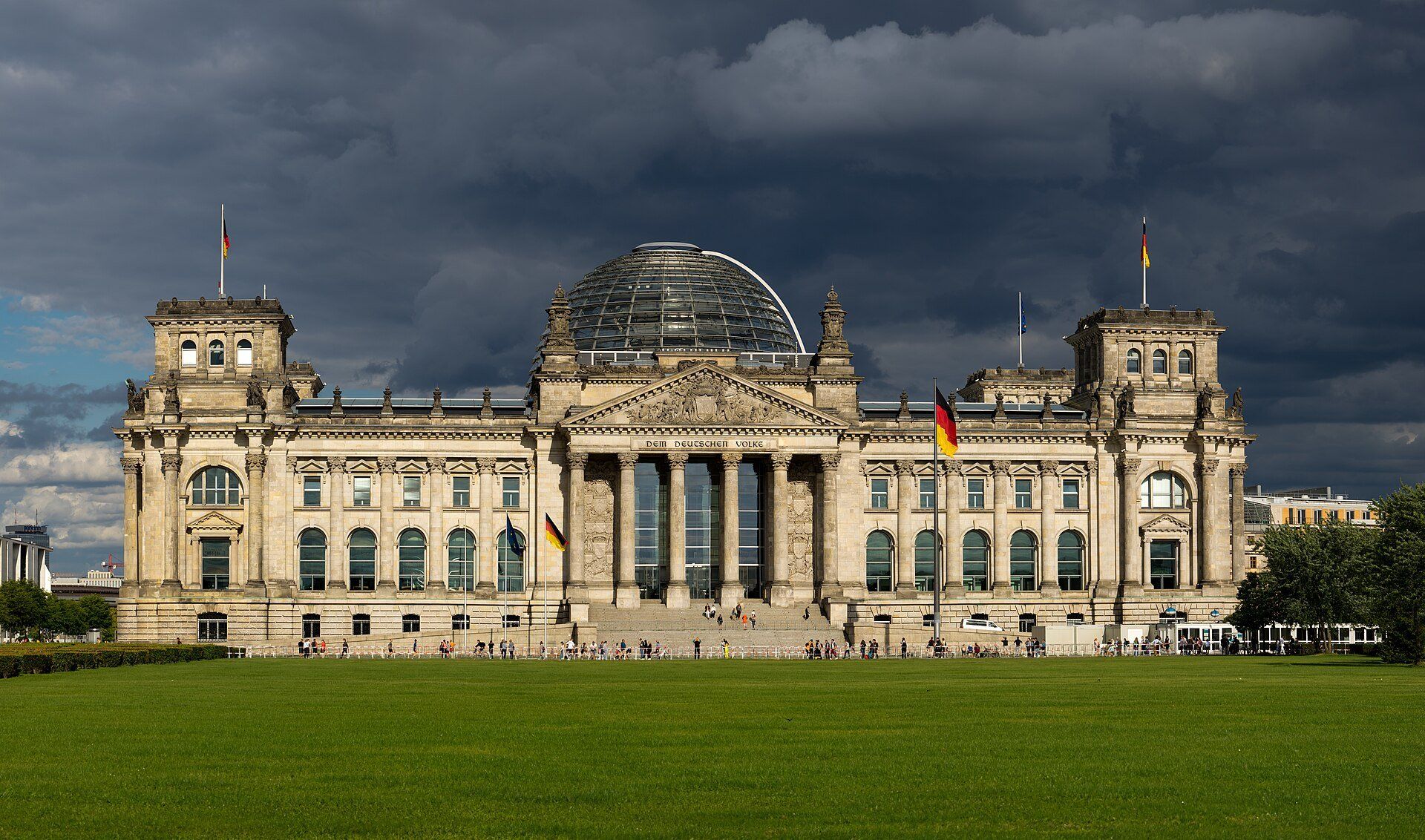
Priced at a hundred billion euros, spread over more than a decade – and buried before a single prototype ever existed. That, in early June, on the sidelines of the Berlin Air Show (ILA), is how the joint sixth-generation fighter that France and Germany were supposed to build together came to an end. Officially, what was missing was an "agreement"; in reality, what was missing was something far harder to negotiate – a common interest. And this is a story far more serious than a single aircraft, because it tells us almost everything about the myth on which Europe is trying to rest its security today.
Why no deal could be reached.
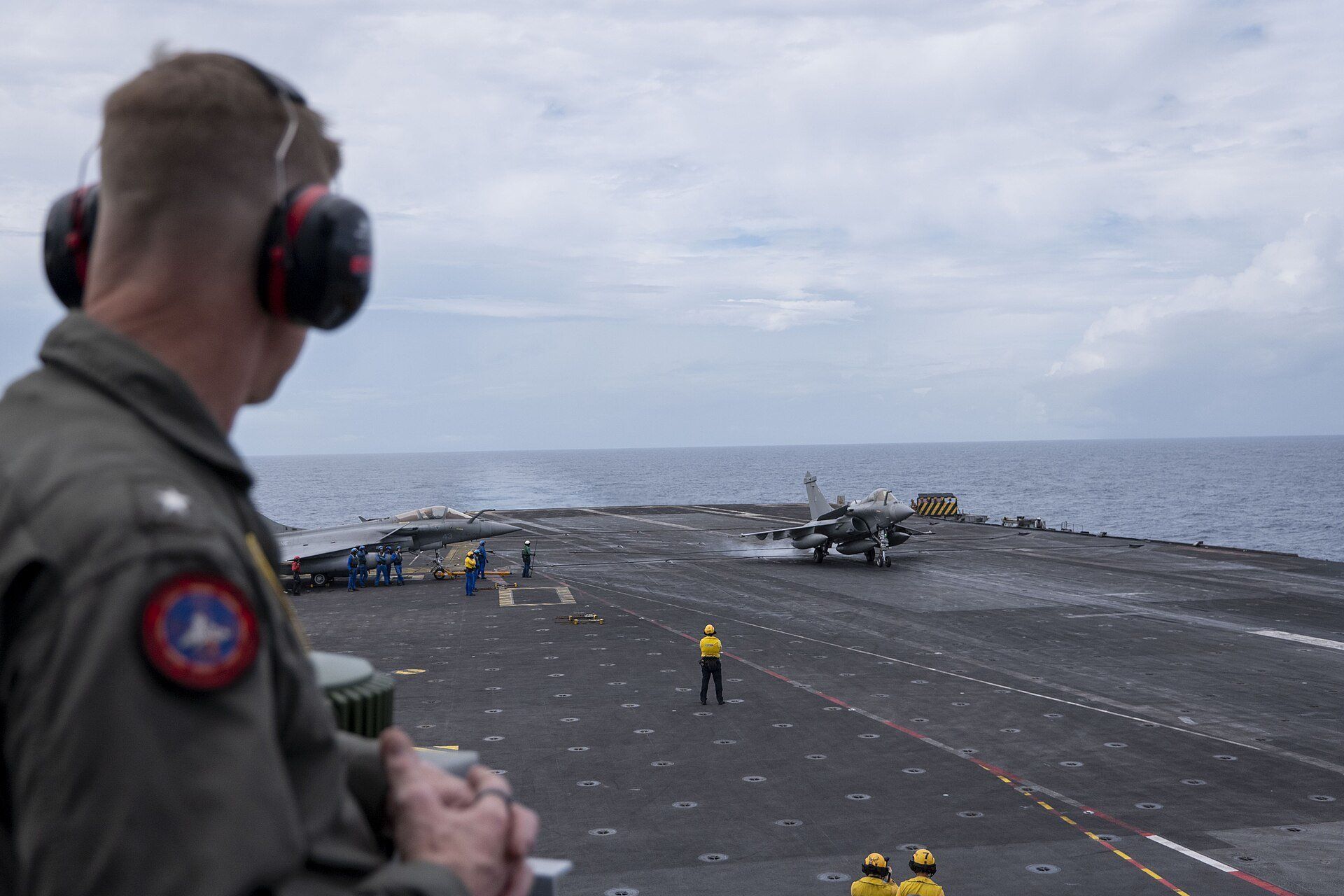
The reason for the divorce is instructive. France's Dassault wanted a project in which it held the majority of the work and – more importantly – control over the technology; the partners at Airbus would not agree to that. The dispute dragged on for years, the mediation finally collapsed in the spring, and of the promised hundred billion, barely a few were actually spent – and that on studies and early phases, not on a finished machine. To the quarrel over money was added an irreconcilable difference: the French need an aircraft that can take off from a carrier and carry a nuclear payload, because their doctrine rests on it; the Germans said outright that they simply do not need a machine capable of landing on a carrier and delivering atomic weapons. It would be hard to find a better illustration of the problem: two states, two different visions of war, one shared budget. A project like that was bound to break apart.
Each going their own way.
And here the myth that "Europe" is building a common defence breaks down. The moment the joint aircraft collapsed, everyone set off in their own direction. France does what it does best – it goes its own way, developing yet another, deeply modernised version of the Rafale fighter. Germany is looking around to see whether to join the British-Italian-Japanese GCAP programme, buy in American F-35s, or seek a partner among the Swedes. Five states, five ideas for the same problem. It is worth remembering that the next time we hear about "European strategic autonomy": when it comes down to it, everyone understands autonomy as strictly their own.
The same is happening with the tank.
An identical scenario is playing out one floor below, on the ground. The joint Franco-German tank of the future, known as MGCS, has been stuck in "review" since the autumn of 2025, and the realistic date for its entry into service has slipped by a good decade and more – the talk now is of the 2040s, if at all. In practice, once again, everyone is fending for themselves: Germany has launched its own project, bypassing France, and is preparing yet another, "bridging" iteration of the Leopard, because the new vehicle from the 2A8 line is essentially the only tank that has actually rolled out of this cooperation. A joint fighter and a joint tank – two flagship projects, the same ending.
The family cashes out at the top.
It shows most clearly, however, in the money. Look at KNDS – the group that makes the Leopards and the French Leclercs, split evenly between the French state and the German founding families. Well, those families have just decided to sell their entire fifty-percent stake, worth around twenty billion euros, taking advantage of the peak of the arms boom and of the company's stock-market listing being prepared for the summer. Put plainly – they are getting out at the very top. Berlin panicked and, through the state bank, is buying back roughly forty percent of the shares, just to maintain parity with France and to keep armoured technology from falling into the hands of private funds. So much for what "community" is worth when real assets are at stake: everyone looks after their own.
SAFE, or the kitty everyone is backing out of.
That leaves SAFE – the EU's flagship instrument offering a hundred and fifty billion euros in loans for joint armaments, marketed as proof of European solidarity. Poland reached for the most, almost forty-four billion. But look at what the others are doing: Italy, which was allotted just under fifteen billion, signalled at the end of May that it would take a mere four to five – in other words, it is giving up roughly two-thirds of its pool. The reason? Expensive electricity, and the fact that a loan, however cheap, still adds to the debt. So when I hear about "joint European projects," I am reminded of the old saying about selling pears off a willow tree.
And even when the money is there, the capacity isn't.
And here we get to the heart of it, because even where the money is already on the table, the capacity to turn it into hardware is starting to run short. A much-discussed report by the consultancy Strategy& calculated that, even on the very optimistic assumption of seventeen-percent annual growth, the German arms industry will still fail to keep up with orders – the gap between demand and production capacity, mounting toward 2035, is projected to reach well over a hundred billion euros. In other words: you can announce fund after fund and billion after billion, but factories, skilled people and supply chains cannot be printed overnight. The euphoria of orders is one thing; the ability to fulfil them is another.
The lesson for us.
Why am I saying all this? Because a lesson for Poland emerges from it. If a joint aircraft, a joint tank and a joint fund are all falling apart at the same time, it means security must not be built on the promise that "Europe will build something together." Europe will build exactly what happens to pay off for Berlin and Paris – and not a single bolt more. I am not saying we should turn away from these projects; I am saying we should not treat them as a pillar of our own security. The pillar has to be our own: our own industry, our own stockpiles, our own capabilities, and an alliance with whoever actually provides deterrence. All the rest is a pleasant bonus – right up until the first serious bill comes due.
The factual basis: the conclusion of work on the joint sixth-generation fighter was described on 8–9 June 2026 by Defense News, Aviation Week and Euronews; the state of the MGCS programme and the fate of the Leopard 2A8 tank, along with the sale of the founding families' stake in the KNDS group and the reaction of Berlin, were reported by Bloomberg and Reuters; the production gap in the German arms industry was calculated by a Strategy& report; the allocations of the EU's SAFE instrument were given by the Council of the European Union, and the reduction in Italy's participation was reported at the turn of May and June 2026.