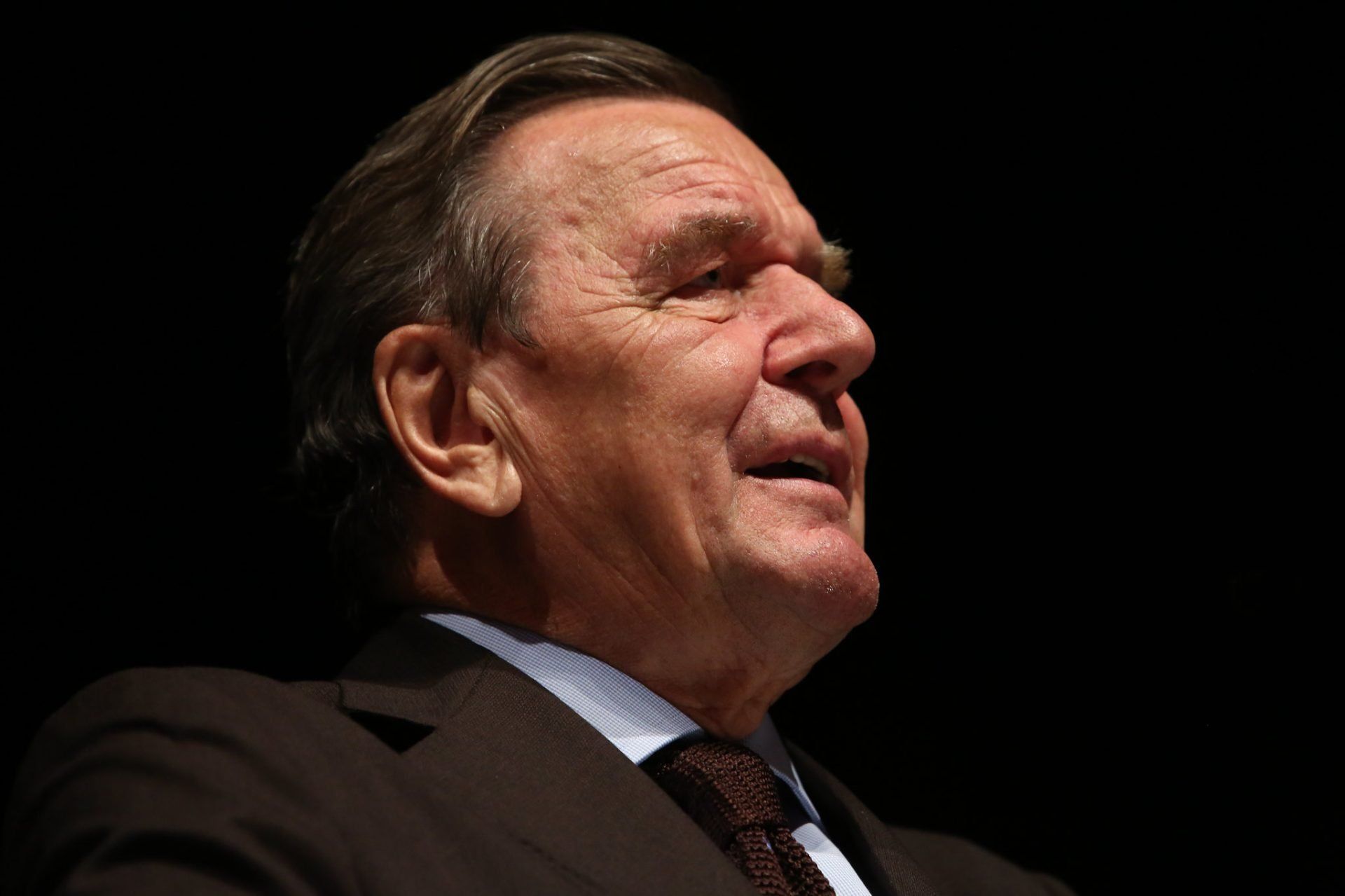
Former German Chancellor Gerhard Schröder has once again caused a stir in Europe's diplomatic salons. The politician was caught at Moscow's Hotel Kempinski, which coincided with a Russian economic forum.
This visit, although formally private, has a deep political and business dimension. It shows that Berlin is increasingly less inclined to conceal its efforts to resume contacts with the Kremlin.
– It is hard to speak of a private individual, because this is a man with an enormous history who, after leaving office, went over to the Russian side as a manager – emphasizes Radio Debata editor-in-chief Aleksandra Fedorska. – Gerhard Schröder does not appear in a private capacity. He always represents some official mission – adds the journalist.
German entrepreneurs and politicians, including representatives of the far-right AfD party, are increasingly boldly demonstrating their presence in the Russian Federation. The previous attempts to conceal commercial contacts are slowly becoming a thing of the past.
– Representatives of the German economy are no longer ashamed of Russia. It is no longer a disgrace to operate in that Russia. Until recently they did so, but outwardly they were ashamed of it. Now, evidently, that is no longer necessary – notes Aleksandra Fedorska.
German industry is desperately searching for oxygen. The economy of our western neighbours is going through serious turbulence, and traditional export markets are failing one after another.
– The German economy is in a very difficult situation, especially when it comes to industry; it needs new sales markets. In America things are going worse and worse for them. After the so-called second China shock, China no longer needs German machinery. All hope rests with Russia – explains the expert.
A symbol of these powerful, behind-the-scenes connections is the figure of Stefan Dürr. This influential German built a veritable agricultural empire in Russia and became a key adviser there.
– He advised, among others, Putin on how to get Russia's agricultural economy back on its feet. It was precisely after the invasion of Ukraine that he was the figure who influenced the Russians' ability to survive those sanctions – reveals Aleksandra Fedorska.
There are far more such advisers in various sectors. Their knowledge and Western experience made it easier for Moscow to survive the most difficult period after international restrictions were imposed.
German manufacturers, however, fear that a long absence from the eastern market will irretrievably strip them of their former, dominant position. The empty spaces left by German brands are being rapidly filled by companies from Asia.
– In the meantime, it is precisely the Chinese who have often taken the places where the Germans used to be. A good example is medical technology equipment – explains the commentator.
German business nevertheless believes that, thanks to direct contacts with the Kremlin, it will manage to halt the expansion of competitors from the East.
– The Germans will ask Putin to rein in the Chinese now so that the Germans can return to their former position. They traditionally feel strong in their dealings with the Russians – concludes Aleksandra Fedorska.