This project, launched in the 1980s as part of the socialist aid provided by the German Democratic Republic (GDR), remains to this day one of the most recognizable industrial successes of this African country.
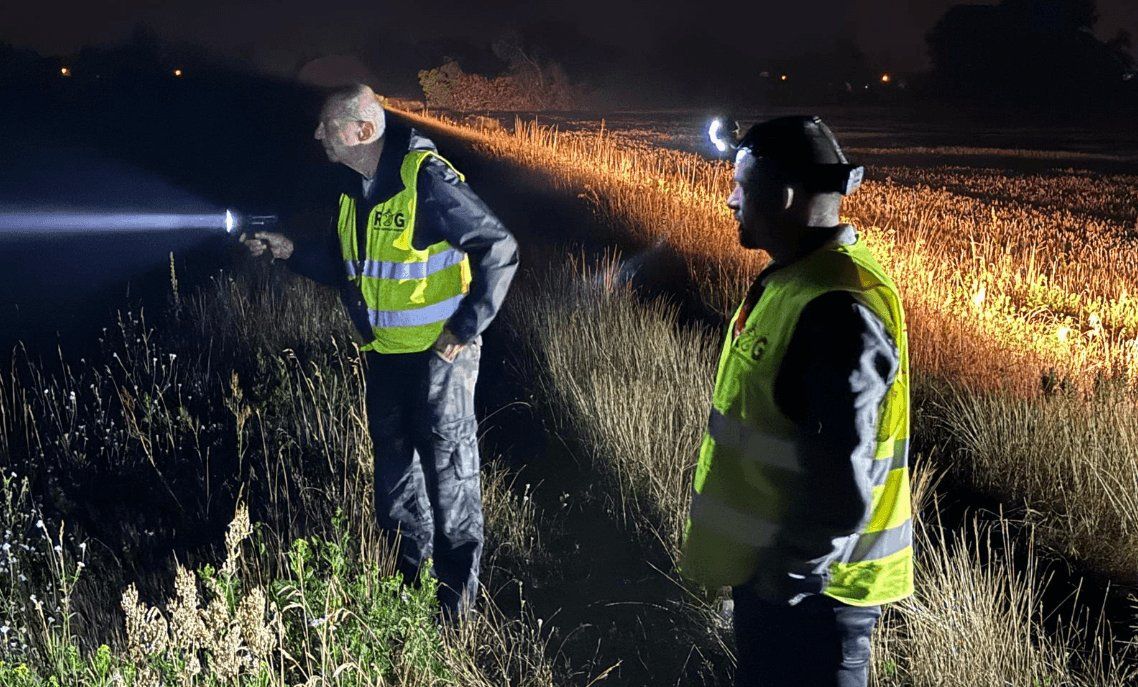
A group of twelve East German specialists, many of whom had prior experience working on complex infrastructure projects in Iraq, created a plant that uses local volcanic water resources to produce beer.
The success of this venture, continuing uninterrupted for 41 years, is interpreted as proof of the high technical competence of the engineers of the time, even though the staff recruitment process took place in a system that took into account both merit-based and political criteria.
The durability of this project rested in the past on complex logistics and regular deliveries of components directly from Europe, which ensured continuity of production under the difficult conditions of an island.
During the period when the GDR existed, ships sailing between continents delivered to the island bottles, caps and other essential materials from the best East German factories, which made it possible to maintain high quality standards.
São Tomé, in turn, paid in raw materials such as cocoa.
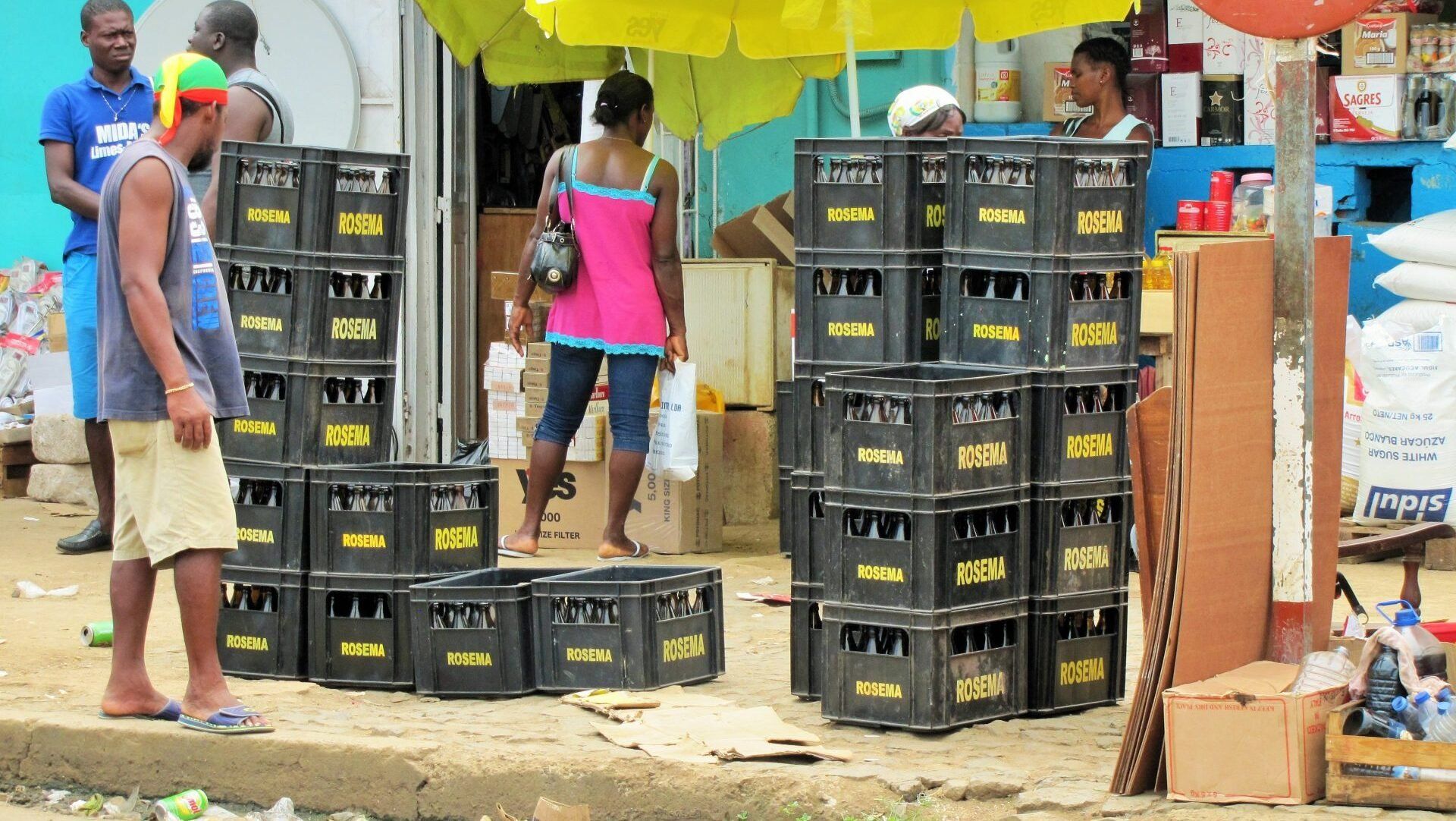
Today the Rosema brewery has become an object of interest for global tasters and social media, which has triggered a renaissance of the brand's popularity and revived the memories of those involved in its construction.
This story constitutes an important biographical element for an entire generation of specialists who, under foreign contracts, built power plants, industrial facilities and infrastructure in countries such as India, Libya and Iraq, creating a particular network of global technical connections that survived the systemic changes in Europe.
The human dimension of this venture reveals interesting aspects of how socialist development aid functioned, in which technical competence had to coexist with political considerations.
According to accounts from those involved in the project, the recruitment of staff was based one-third on party affiliation, while the rest of the personnel were selected on the basis of high professional skills and mutual trust.
The engineers responsible for installing the Rosema brewery saw their work not only as a technical mission but also as a form of genuine support for the local economy, as confirmed by the fact that the plant remains a key element of industry on the island to this day.
The reminiscences of those who took part in those events, including interpreters and engineers, emphasize their pride in the durability of the solutions they created, which — despite the passage of four decades and the lack of support from a donor state that no longer exists — still function and enjoy the recognition of consumers.
The technical success of East German engineers in West Africa shows that solid craftsmanship and the ability to adapt production processes to local resources, such as volcanic water, can produce results that go beyond short-term political goals.
The contemporary renaissance of the brand, driven by new media and global tourism, gives this historic project a new symbolic and economic value.
At the same time, this legacy remains a lasting element in the professional biographies of thousands of European specialists who helped industrialize developing countries, leaving behind production plants that operate to this day.