An analysis published by the "Frankfurter Allgemeine Zeitung" under the title "Angst vor Deutschland" (Fear of Germany) focuses on how Europe's largest states — Italy, France, Great Britain, Poland and Spain — perceive Germany, while overlooking the views of its smaller neighbours.
Berlin's relations with its key partners reveal a complex mosaic of interests and hidden conflicts. In Italy's case, acceptance of German ambitions stems more from pragmatism than from unconditional trust.
Relations with Great Britain remain marked by deep rivalry, as became apparent in connection with Poland's "Orka" programme. The German indignation triggered by British support for the Swedish bid shows that, beneath the rhetoric of a shared defence against Russia, lies a ruthless struggle for arms markets and industrial influence.
Along the Paris axis, tensions centre on fundamental questions of sovereignty and the management of strategic resources. Aviation projects and the issue of the so-called nuclear umbrella are becoming the flashpoints of serious disputes.
German aspirations to co-manage France's atomic arsenal met with firm opposition from President Emmanuel Macron. This confrontation forced Berlin to retreat from its earlier declarations and to revise its strategy.
In German analyses, the Polish perspective is often reduced to simplistic dichotomies. Although representatives of the current government in Warsaw declare that they fear German passivity more than German strength, beneath the surface of this rhetoric lies an enduring dilemma tied to the security of the eastern flank.
Germany is seen as an uncertain partner because of its historical inclination towards understandings with Russia.
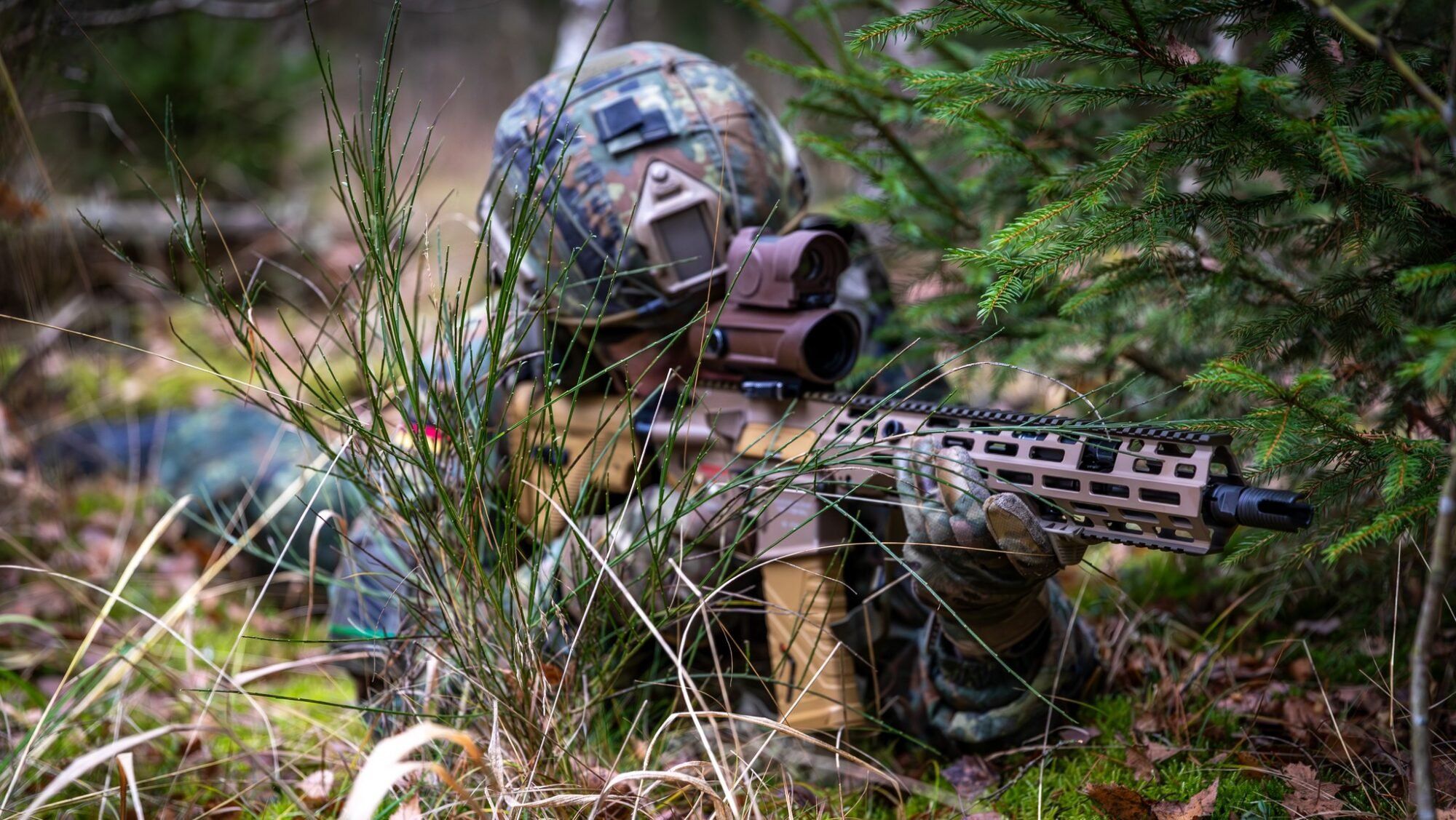
Germany's plans to build the largest conventional army in Europe constitute a process burdened by numerous diplomatic and historical barriers. Berlin's dominance in the debate on rearmament, focused on the largest players, overlooks the significant role of smaller states, whose support is indispensable for lasting leadership.