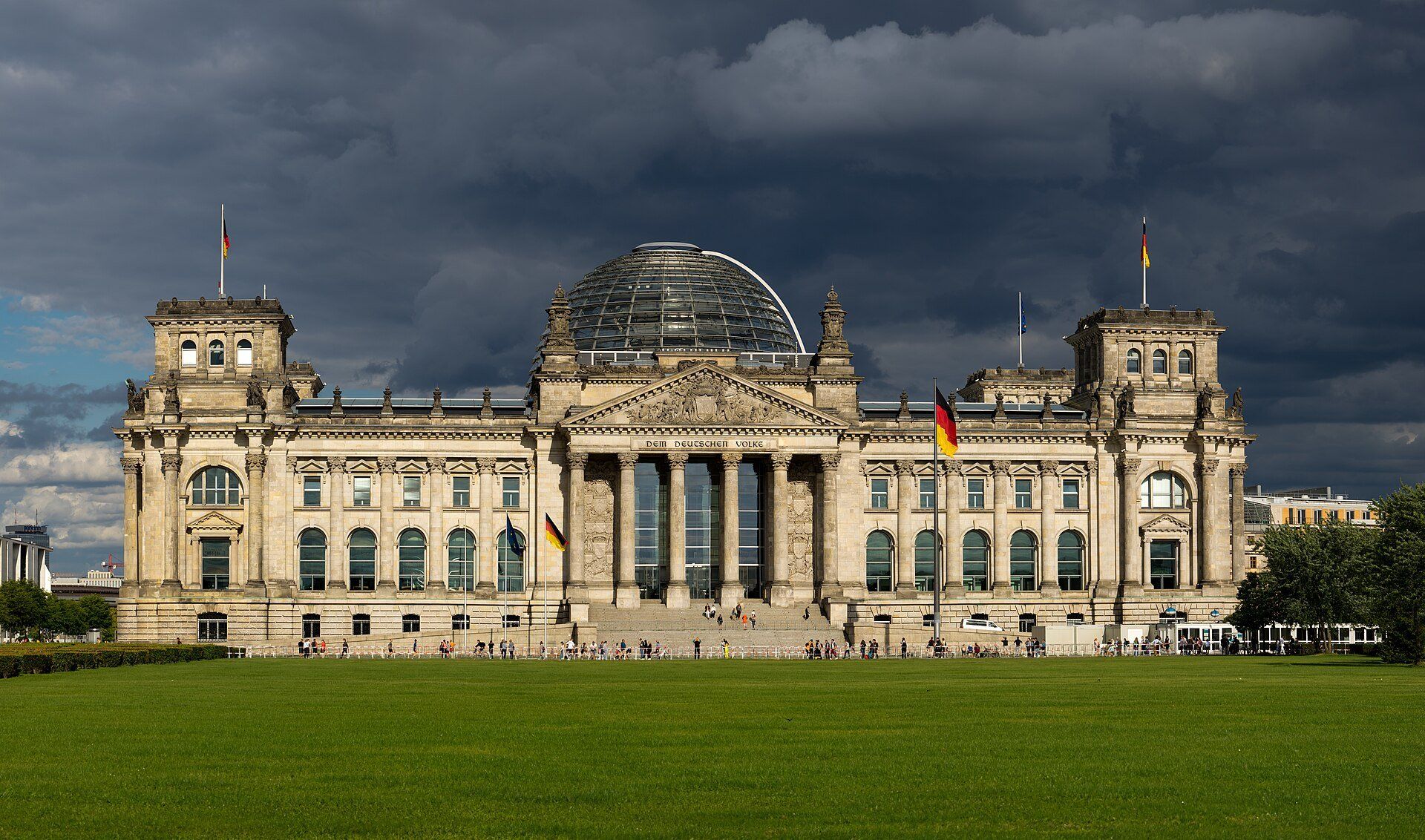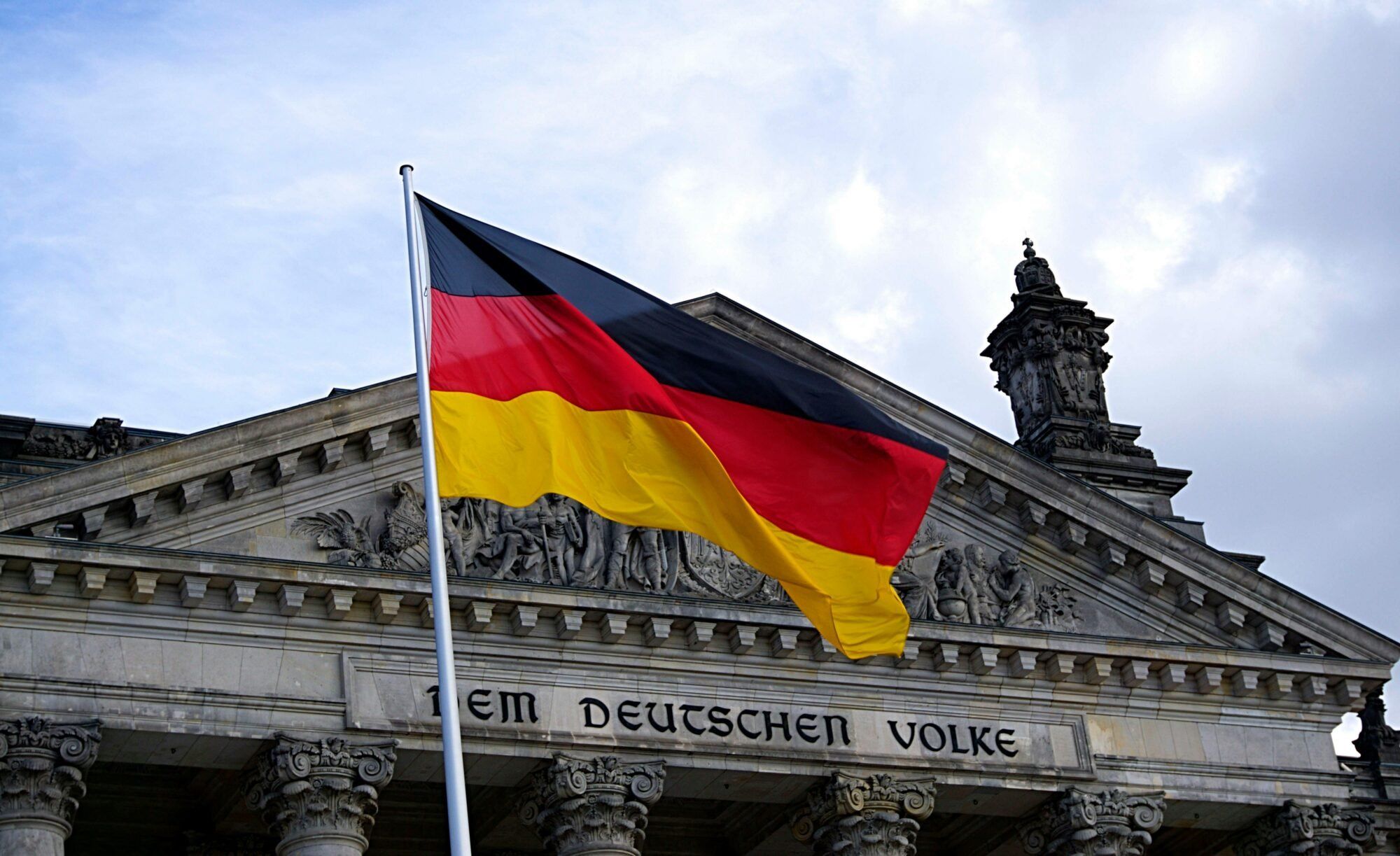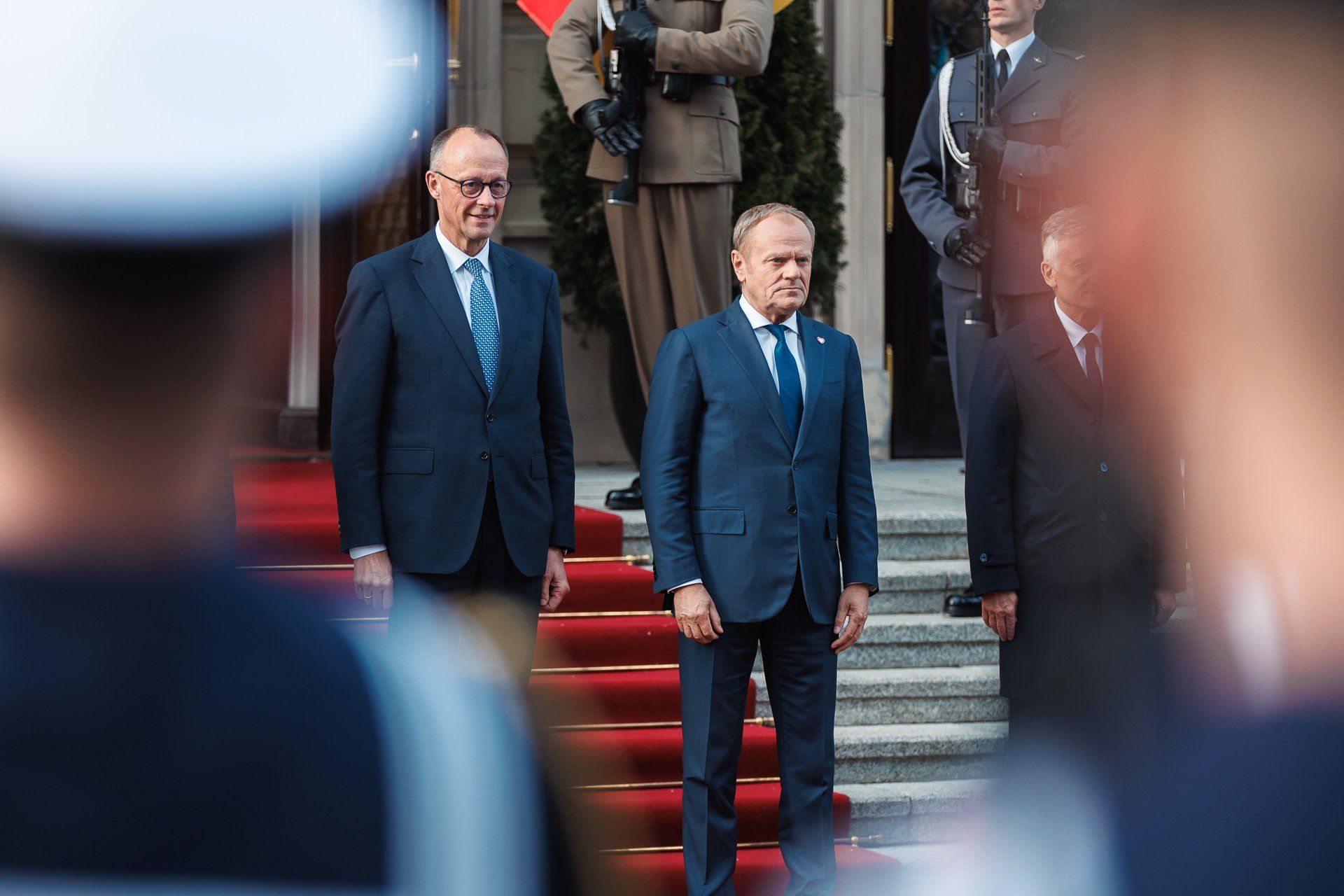
The approaching 35th anniversary of the establishment of modern diplomatic relations between Poland and Germany, symbolised by the Treaty on Good Neighbourliness, is becoming the starting point for a critical assessment of the state of the mutual partnership. Despite earlier political announcements – including Friedrich Merz's declaration of breathing “new life” into bilateral relations – the reality points to a deep stagnation. Observers note the lack of substantive progress in key areas of cooperation, which manifests itself, among other things, in the inability to work out binding arrangements between the two countries' defence ministries. Instead of strategic decisions, the public is witnessing the signing of documents of a purely symbolic character that carry no legal obligations whatsoever.
The question of redress for losses from the period of the Second World War remains the most sensitive point of contention. The German side's current actions, such as the return of looted works of art, are interpreted as gestures that are the least costly politically and socially and that do not touch the essence of the problem of reparations or compensation at all. Relations still lack a genuine process of reconciliation, which would require Berlin to confront the historical suffering of Poles fully and honestly.
An analysis of how Polish state institutions function in relations with Germany reveals significant gaps in competence and structure. The ministries, led by the energy ministry, display poor efficiency in responding to current political and media events, which contrasts starkly with the professionalism of German diplomats. The problems with communication and the ineptitude in monitoring the foreign press testify to a clear decline in the quality of the Polish civil service.
The contemporary axis of the Polish-German dispute is shifting from the ideological plane to a purely technocratic and executive one. The Polish side, despite holding substantive arguments, shows no initiative in creating new strategic projects. This means that bilateral relations are in a phase of deep stagnation, characterised by a lack of real inter-ministerial agreements and the avoidance of difficult historical dialogue. The national administration displays considerable passivity in its confrontation with the perfectly prepared German diplomacy, which effectively makes it impossible to pursue key national interests.