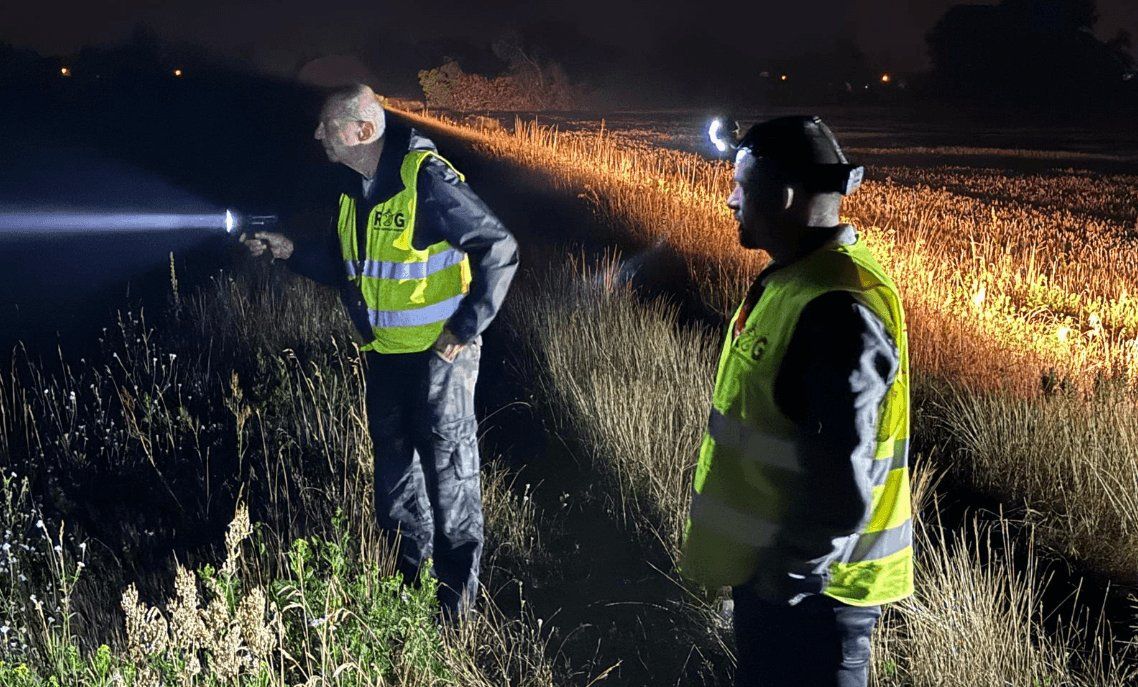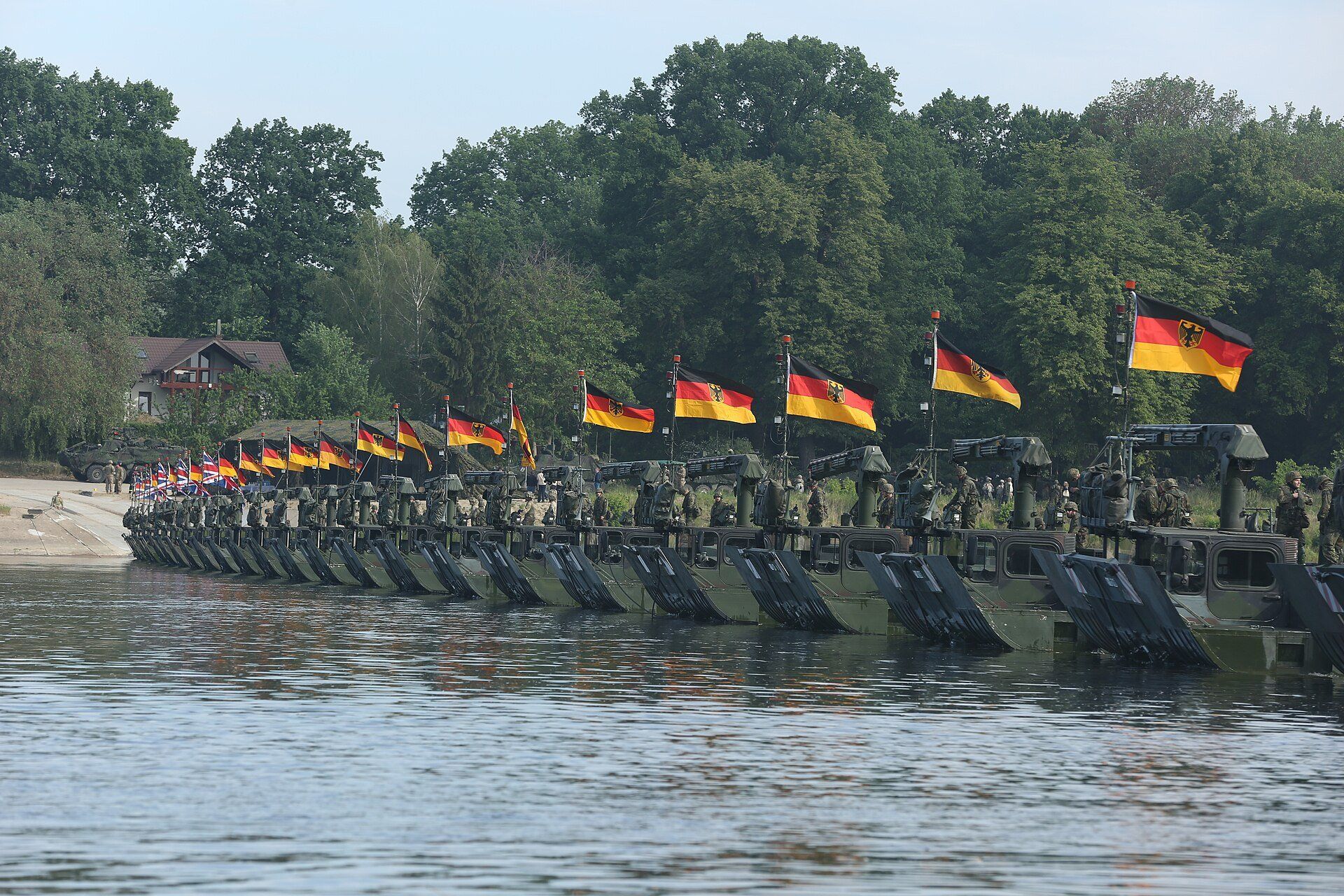
The Bundeswehr is sending to our country a group of around seventy sappers from the Deutsche Heer along with support units, who are to build border fortifications facing Russia and Belarus. Germany states that this is being done at Poland's invitation, in full coordination with the other members of the North Atlantic Alliance and the European Union. However, according to information we have obtained, their arrival is set to be delayed.
The decision to deploy German engineering forces is not spontaneous. Back in May 2024, the Polish prime minister presented the concept of the Tarcza Wschód (Eastern Shield) as a comprehensive programme to secure the border with Belarus and the Russian Kaliningrad Oblast. A few months later, in September 2025, the Chief of the General Staff of the Polish Armed Forces, Gen. Wiesław Kukuła, submitted, as the German side reports, a formal request to the Bundeswehr for assistance in building the fortifications. The German side responded positively, and in November 2025 the Inspector General of the Bundeswehr, Gen. Carsten Breuer, gave his consent to the participation of the sappers.
In early February 2026, at Poland's invitation, the German specialists conducted a detailed field reconnaissance, during which all technical and logistical matters were agreed upon. Since that moment, cooperation has been proceeding on an ongoing basis at the operational level between the Polish General Command and the Bundeswehr Operational Command, says the spokesperson for the Bundeswehr Operational Command in response to an enquiry from Tysol.
But the Bundeswehr's timeline has shifted. As recently as December 2025, German media reported that the mission was planned to begin as early as April 2026. Meanwhile, the official response to our questions from the Bundeswehr Operational Command is unambiguous: German support will not begin before June. The command's spokesperson stressed that the Bundeswehr treats this task as a priority, as a contribution to the security of the entire eastern flank of the Alliance. Nevertheless, the delay raises questions about the German army's real capabilities, especially in the context of its chronic personnel, logistical and equipment problems.
In parallel with the concrete support for the Eastern Shield, a broader discussion is under way about deepening Polish-German defence cooperation. The Eastern Shield initiative has become a catalyst for work on a new bilateral defence agreement, which both sides announced as early as the end of 2025. The agreement is intended to create a stable framework for joint infrastructure projects, the exchange of experience, and the coordination of activities within NATO. For now, no specific date for its signing has been given.
The working group established by the defence ministries of both countries is, however, working intensively, and support for the construction of the border fortifications is seen as one of the first tangible results of this new quality of relations.