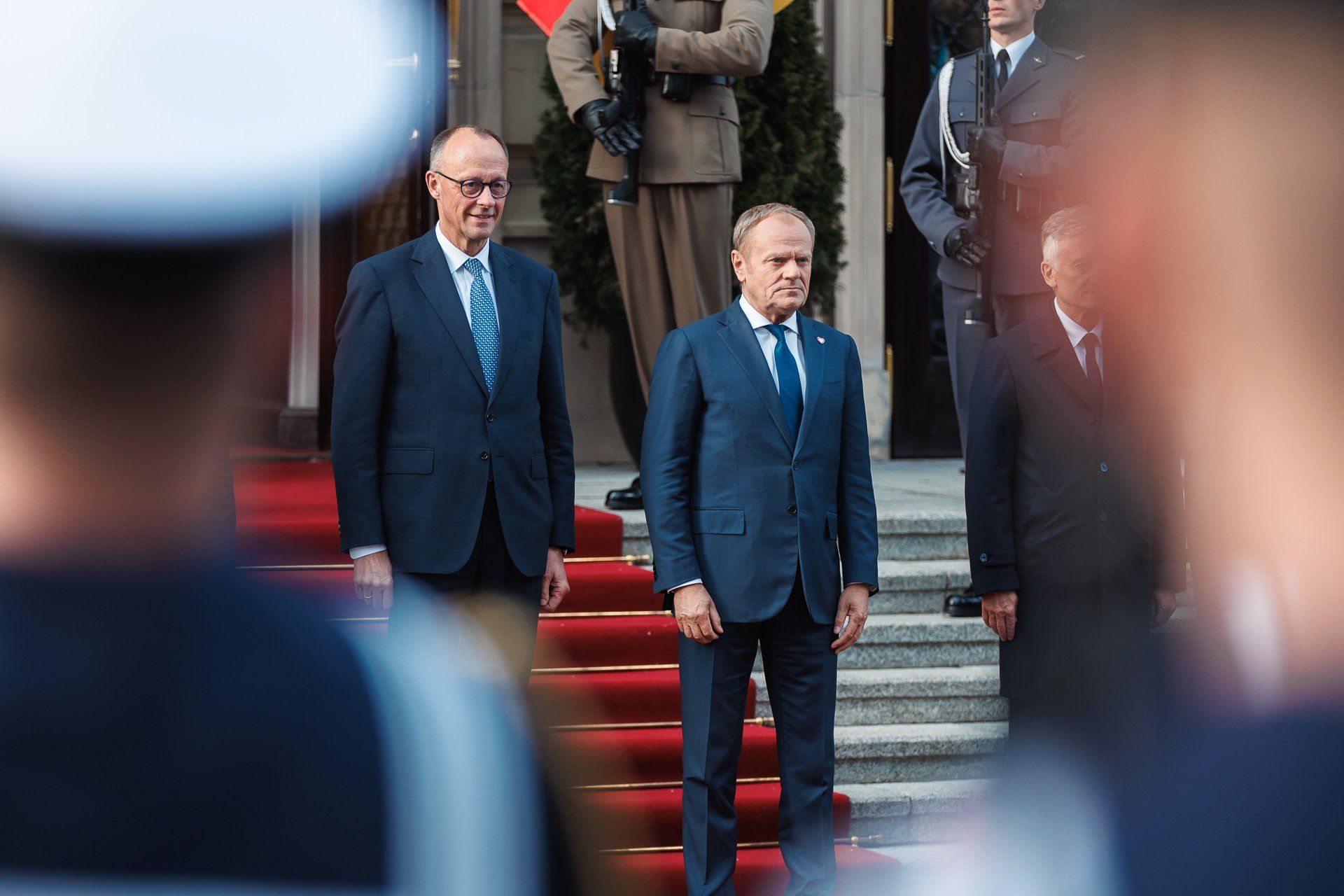
During the intergovernmental consultations in December of last year, the Polish delegation in Berlin presented plans to create a new defence framework based on a binding international treaty. This document was meant to cover key areas of security, laying the foundation for the strategic architecture of Central and Eastern Europe. However, as an analysis of the available materials shows, the initial assumptions quickly ran into serious obstacles.
The original draft was intended to constitute a formal treaty subject to ratification in both parliaments. In practice, however, serious procedural and political difficulties emerged that led to a significant weakening of this concept. The German authorities sought to avoid the standard parliamentary procedures by concluding the agreement outside the structures of the Bundestag and without the involvement of the defence committee. Such a practice was unusual in the German system and provoked widespread criticism, especially after media reports and parliamentary questions.
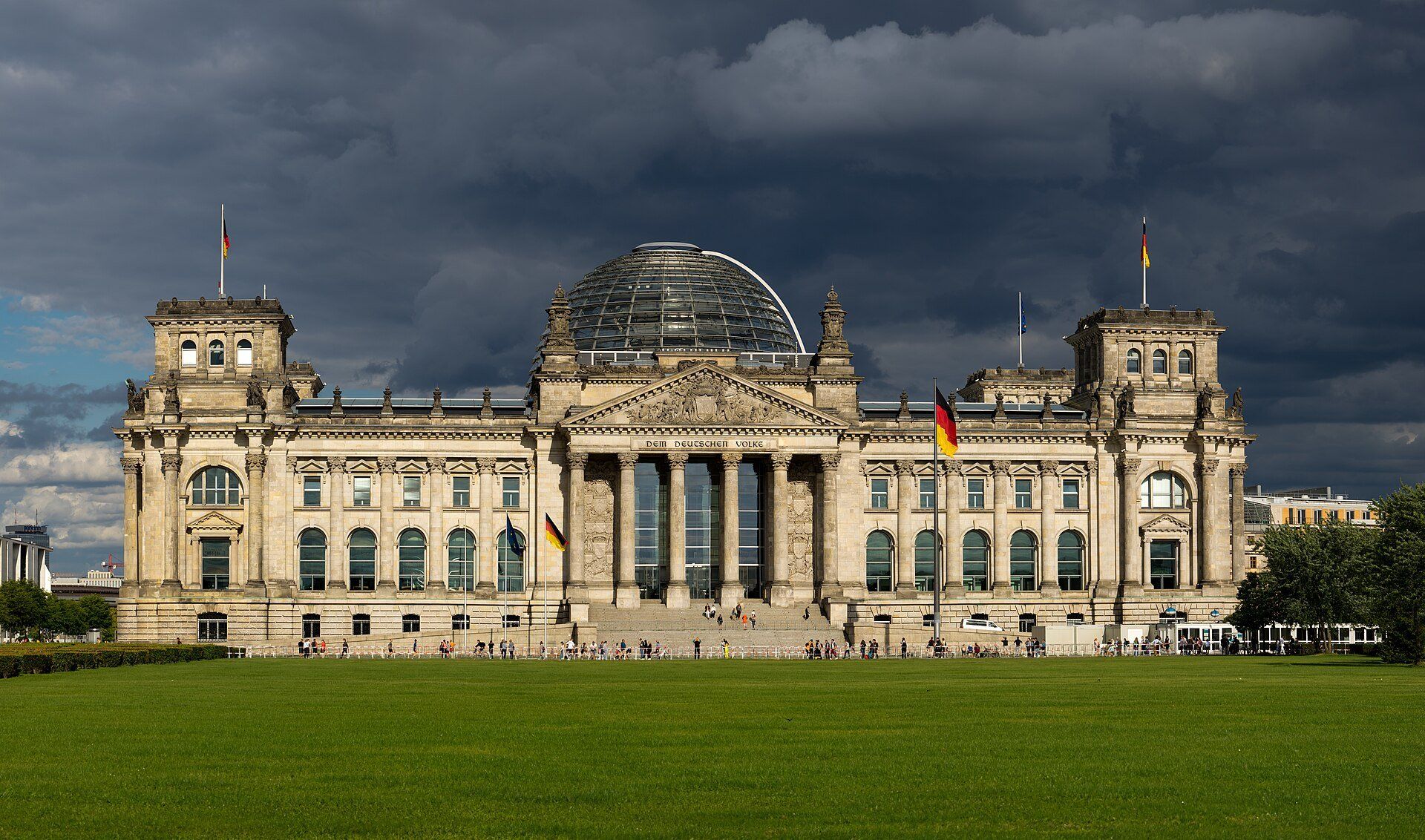
A key moment came in mid-May, when representatives of the German side began to use terms such as "understanding" instead of "treaty," which clearly indicated a withdrawal from granting the document the highest rank. The final declaration, whose signing was scheduled for 17 June in Berlin as part of the celebrations marking the 35th anniversary of the Polish-German treaty, was thus reduced to the level of an inter-ministerial agreement. This document, signed by the defence ministers of both countries, no longer requires parliamentary ratification, which significantly weakens its legal status.
The main factors that influenced this turn of events are both the internal political conditions in Germany and international pressure. Within the German governing coalition there currently prevails a caution towards controversial initiatives that could trigger disputes in the Bundestag and weaken the government's position in the face of declining public support. In Poland, in turn, claims have emerged of pressure from right-wing circles, which were said to influence the curbing of the ambitious treaty plans.
Instead of a deep, binding defence alliance, Poland and Germany decided to sign an agreement of a technical and less committing character. The final decision reflects both the internal political conditions and the strategic caution that together push back the prospect of a lasting and formalised defence treaty. As a result, instead of a breakthrough, we are dealing with a continuation of cooperation at the operational level, with limited prospects for deeper integration in the sphere of security.