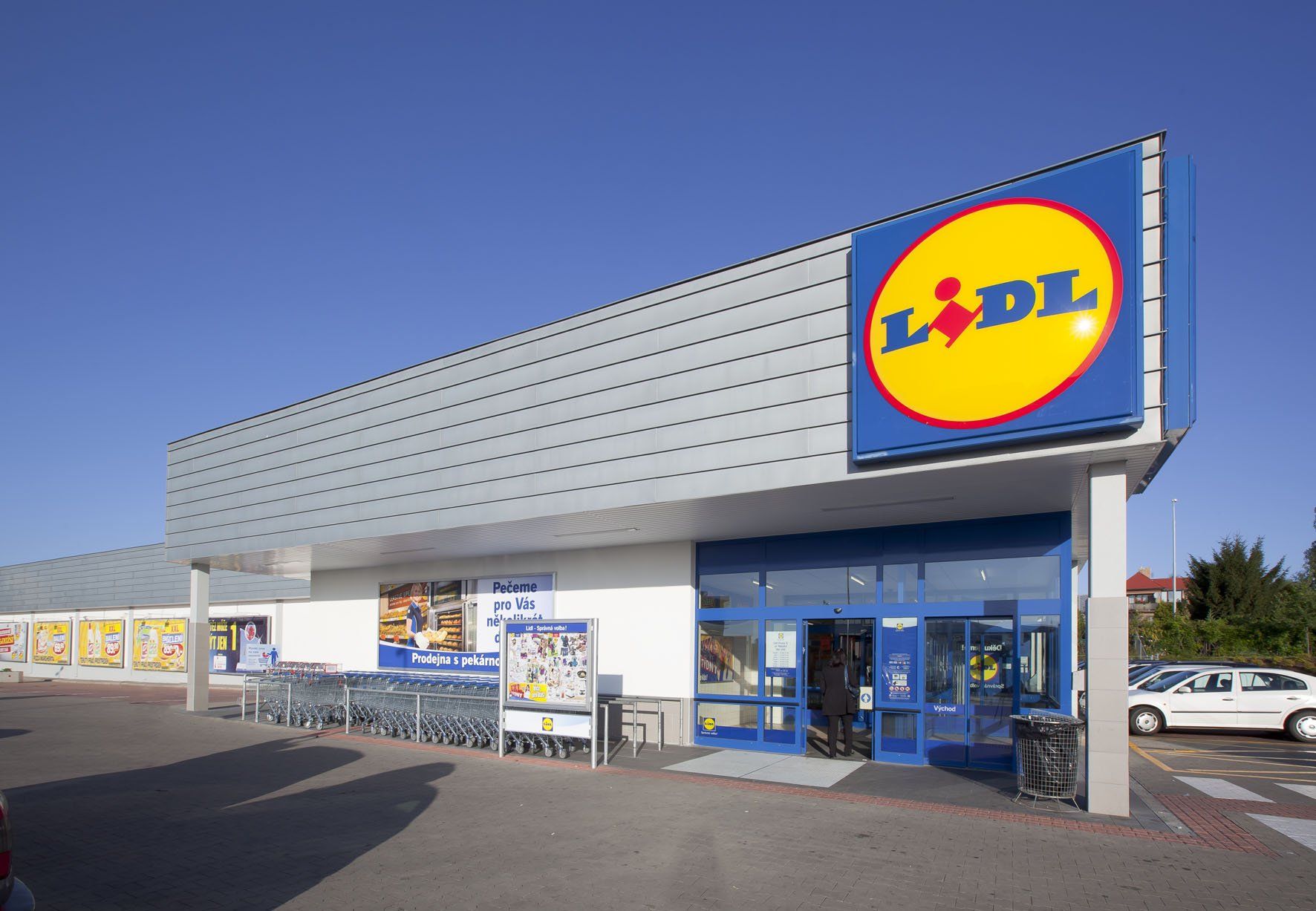
The German retail chain Lidl, part of the Schwarz Group, has entered a new phase in building its global might, basing its strategy on the pursuit of complete operational autonomy. The foundation of this independence has become the creation of its own cloud infrastructure, one of the largest in Germany, which in an era of retail digitalisation gives the company a unique resilience to external technological upheavals.
Possessing its own data-processing capacity allows the company to become fully independent of external IT service providers, which constitutes a strategic asset in managing an enormous retail network in Europe and beyond.
A breakthrough step in the group's strategy is the construction of its own maritime transport fleet, which represents a response to the instability of global freight experienced in recent years. The decision to order a further five container ships and to switch to the German flag (abandoning so-called flags of convenience such as Cyprus, Malta or Liberia) attests to a return to the concept of national logistics and to strengthening control over every stage of supply.
Its own fleet allows Lidl to bypass the problems associated with port congestion and strikes, giving the company flexibility in choosing points of unloading. In the event of a blockade of the port of Hamburg, by possessing its own vessels the operator can make a sovereign decision to direct a ship to another available port, without waiting on the decisions of global shipping giants such as Maersk or Cosco.
This model strives towards vertical integration, which encompasses not only transport but also the direct import of key products from overseas markets, such as coffee and other colonial goods. As a result, Lidl is becoming a logistically self-sufficient entity, which, in the case of a network of global reach, can yield measurable economic benefits despite the high costs of maintaining its own fleet.
Lidl's logistical independence, manifested in the location of its cloud infrastructure on German territory and in the registration of its fleet under the national flag, fits into a broader trend of strengthening national economic champions. The company is forgoing the short-term savings that come from using flags of convenience in favour of long-term security and prestige, which is justified by the need to have a genuine influence over transport timetables and costs.