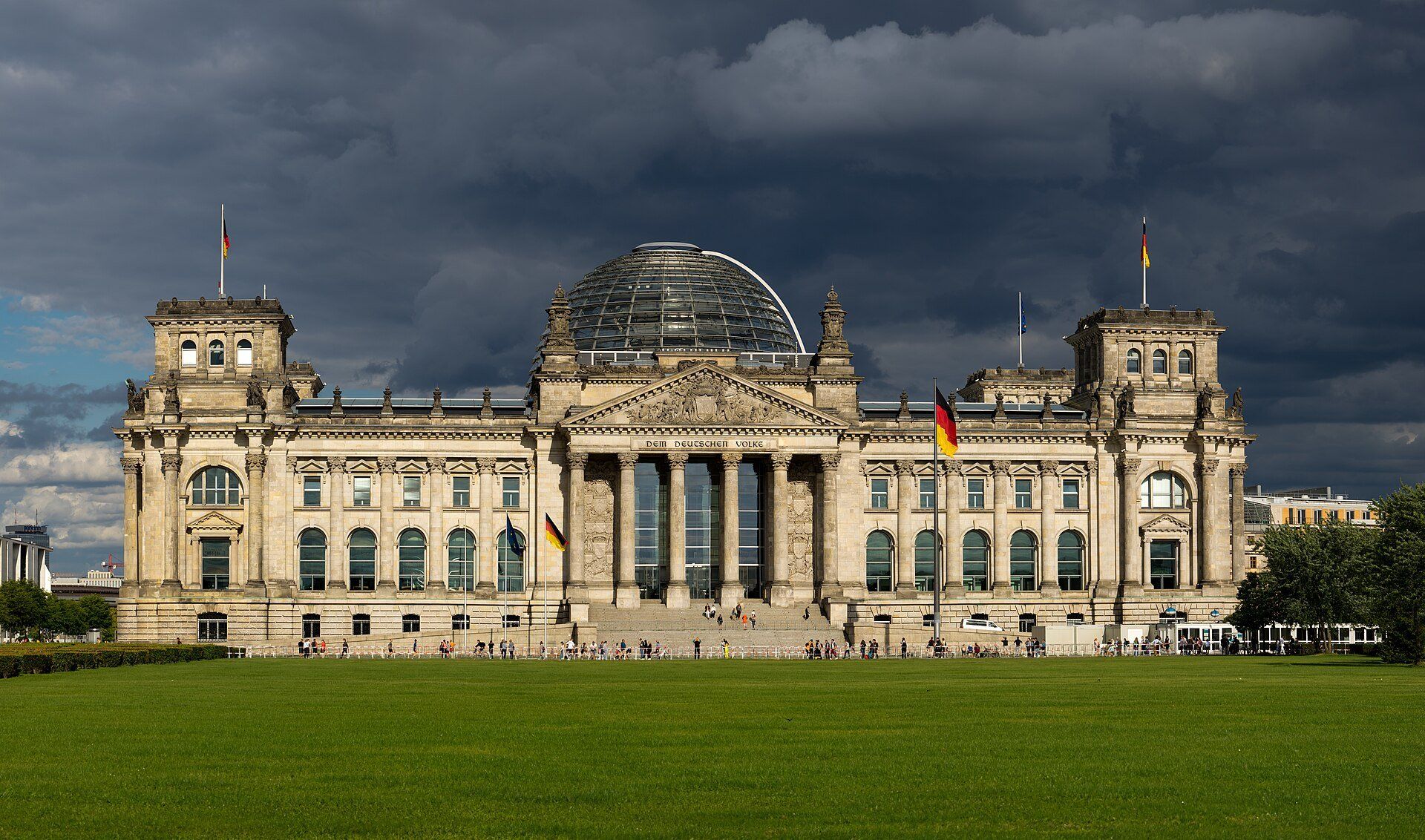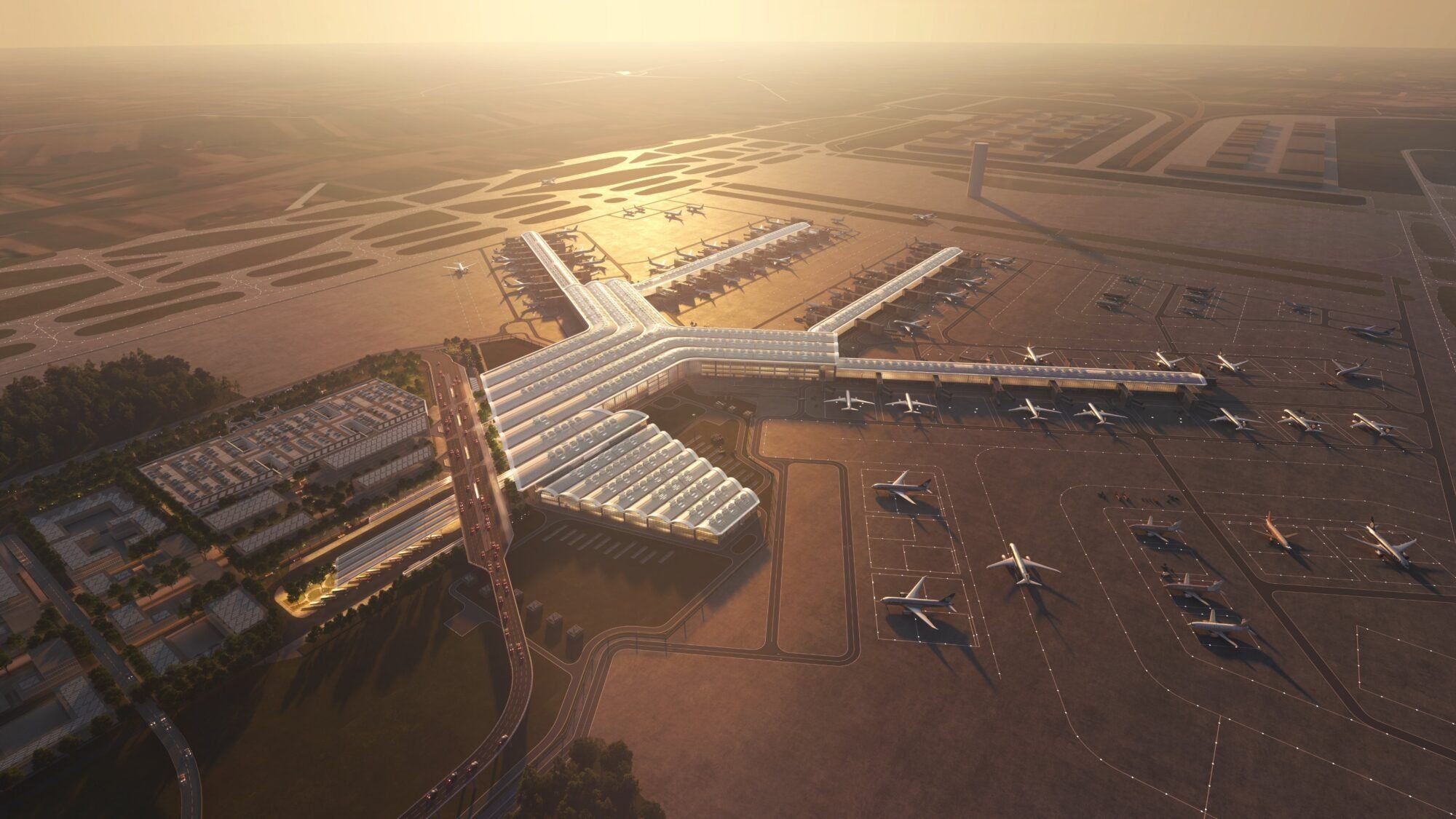
At first the German government, like many industry players, feared that the expansion of the airport in Poland could weaken the position of the Berlin aviation hub. However, with the passage of time and the appearance of increasingly detailed analyses, German institutions such as German Trade and Invest (GTAI) began to perceive the investment potential associated with the Polish infrastructure programme. Instead of blocking the project, Germany began to actively analyse the possibilities of entering the market, preparing the ground for future cooperation and investment.
A clear increase in the activity of German firms in the CPK sector is being observed. It is no longer limited only to participation in tenders for the construction of the airport itself, but also covers management systems, passenger handling and rail infrastructure. Firms from Bavaria and other regions of Germany in particular are succeeding in winning contracts for baggage check-in systems or technologies for high-speed rail. The absence of domestic solutions in Poland in these segments creates enormous opportunities for development and a chance for billion-scale profits for the German concerns.
Along with the growing involvement of German firms, serious questions arise about national security and the strategic sovereignty of Poland. Handing over to foreign entities control over key infrastructure, such as baggage systems or rail infrastructure, gives rise to concerns about access to sensitive data and the possibility of its use in crisis situations. Experts and critics point out that such a situation may weaken Poland's autonomy in managing its own port and increase the risk of the infrastructure being used as an instrument of pressure.
A few years ago the German strategy towards the CPK concentrated on blocking the development of competing airports. We are now observing a clear turn — Berlin has opted for a strategy of "entering" the project, which allows for controlled participation and the moderating of the pace of the investment's development. This step is intended not only to secure its own economic interests, but also — from a political point of view — to maintain influence over key elements of infrastructure in Poland.
Although officially the German motivation is economic profit, such a state of affairs raises serious questions about the future of Polish sovereignty, the security of the infrastructure and full autonomy in managing one of the most important communication hubs in the region. In the context of growing geopolitical competition, this situation requires special attention and a well-considered strategy on the part of the Polish authorities.