The law, which passed by a majority of merely two votes, introduces mechanisms described by critics as the systemic promotion of informing. Under the new regulations, anyone who has knowledge of the illegal residence of migrants is obliged to inform the relevant services. The greatest controversy is aroused by the scope of application of these regulations in the healthcare sector. Although debates are under way about exempting doctors from this obligation in life-saving situations, the current interpretations suggest that medical personnel may be obliged to report the birth of a child by a person residing in Sweden illegally.
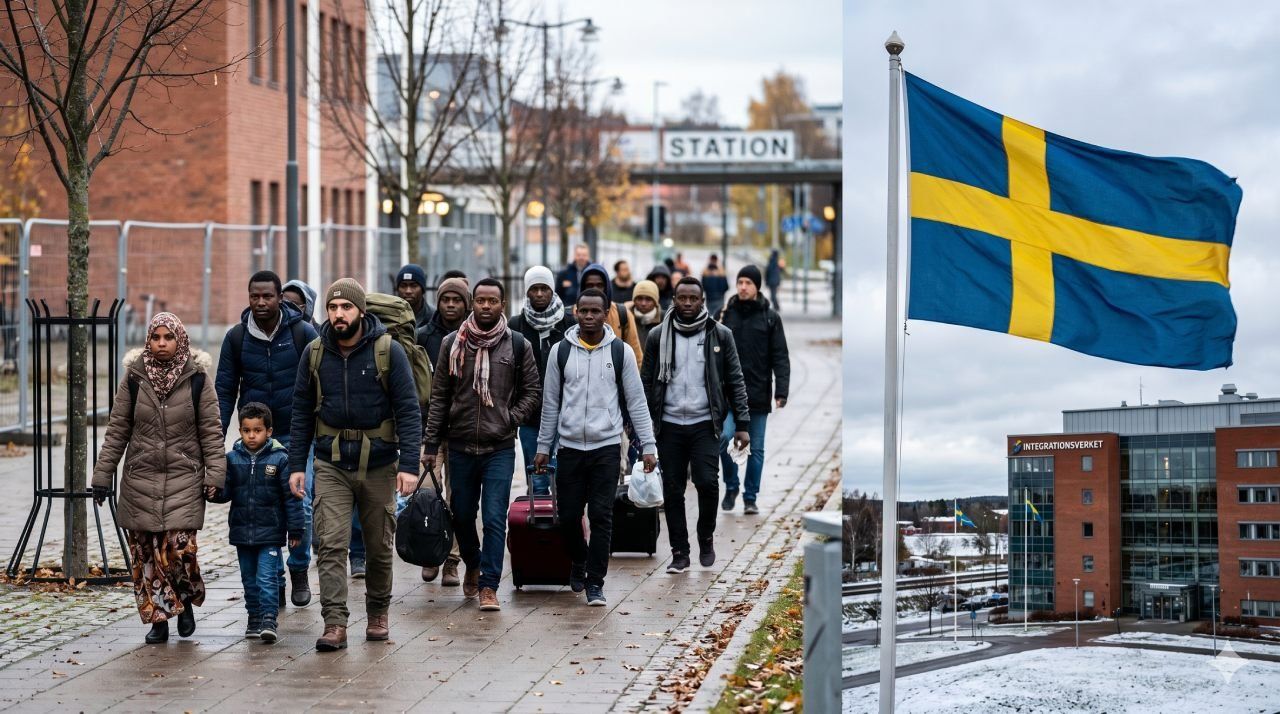
Sweden's current demographic landscape is the result of decades of dynamic migration processes that began after the Second World War. This country, an industrial power, attracted migrants from Italy, Turkey, Yugoslavia and Finland. Today, in a state of 10.5 million, more than 20 percent of the population consists of people born outside the country's borders. In the last decade another migration explosion has occurred, mainly from directions such as Syria, Iraq, Somalia and Afghanistan.
An analysis of the political discourse points to a deliberate shifting of the weight of public debate onto the problem of illegal migrants. Although this group constitutes a margin of the migration processes, the fixation of the media and security services on statistics allows politicians to demonstrate agency. The state's main structural challenge, however, is not the “illegal migrant”, but the integration of over two million migrants residing in Sweden completely legally, who often do not assimilate into local society.
The mounting social tensions linked to migration problems lead to an erosion of trust in state institutions. The current government, by taking radical legislative steps, is trying to calm social moods, yet the political dynamic suggests that these measures may prove insufficient. The upcoming parliamentary elections may bring another turn, since social outrage over migration issues tends to be transient, while fundamental changes in the structure of society remain a permanent element of Swedish reality.
Sweden faces the historic challenge of redefining its migration strategy. The new, restrictive law on reporting people residing in the country illegally is an attempt by the state to regain control, although its effectiveness and ethical soundness remain the subject of intense political dispute.